Business · Touchstone Newsroom
Touchstone unveils vision for a global AI-powered economic ecosystem connecting governments, capital, technology and industry
A new digital ecosystem model aims to connect national development priorities with global investors, banks, businesses, technology providers and strategic partners through an AI-enabled platform.
Reported by Abdallah Khawaldeh
Touchstone Media Representative
London · 16 Sep 2026, 07:00 UTC · 7 min read
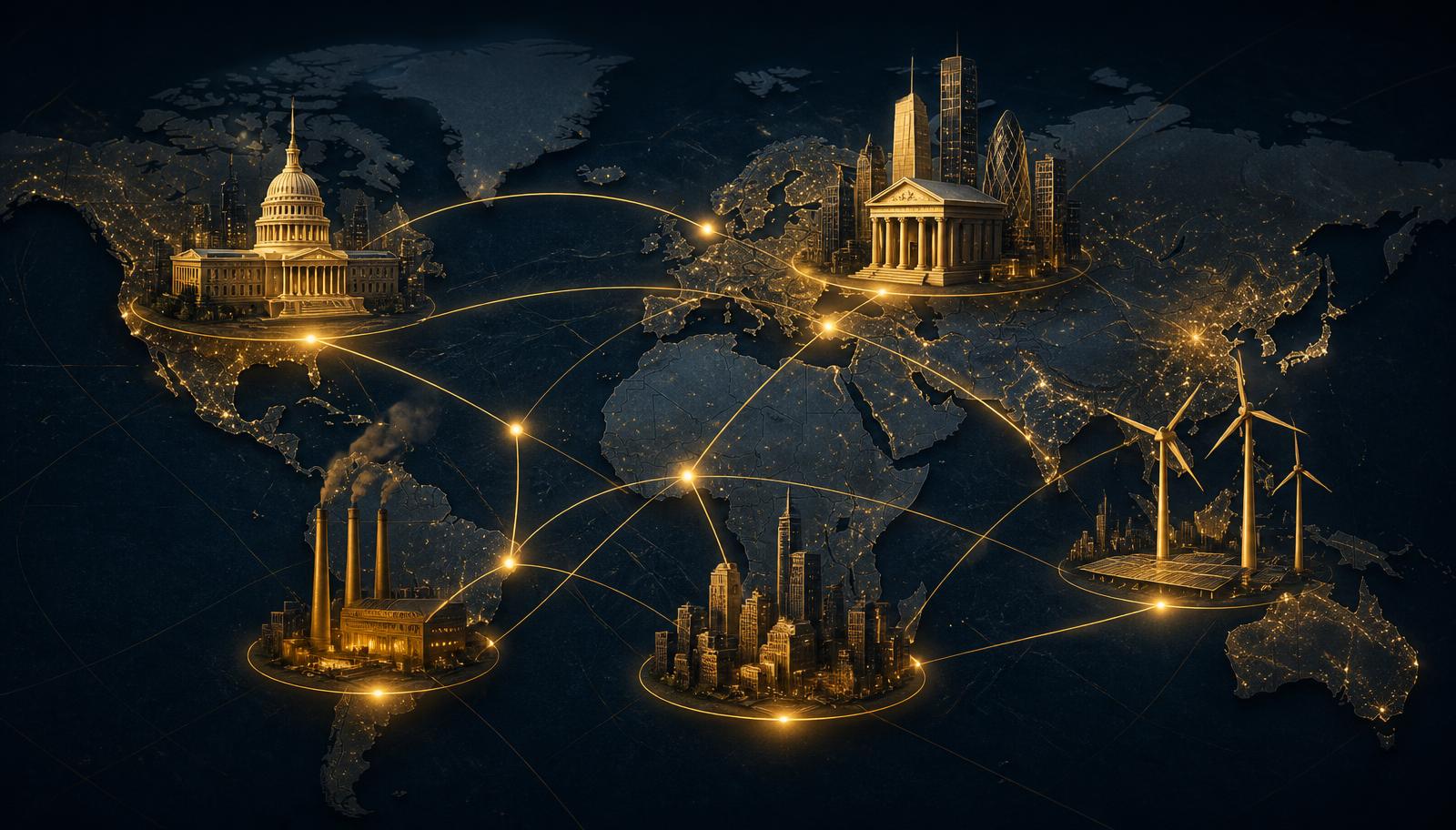
Touchstone is developing a vision for a new generation of AI-powered global economic ecosystems, designed to connect governments, investors, financial institutions, corporations, technology companies and local businesses through a common digital platform.
The proposed Touchstone Global AI Ecosystem would use artificial intelligence, automation, data infrastructure and appropriate digital-asset technologies to create a coordinated environment through which countries and regions could present development opportunities, attract international capital, identify technology and business partners, and manage projects through their lifecycle.
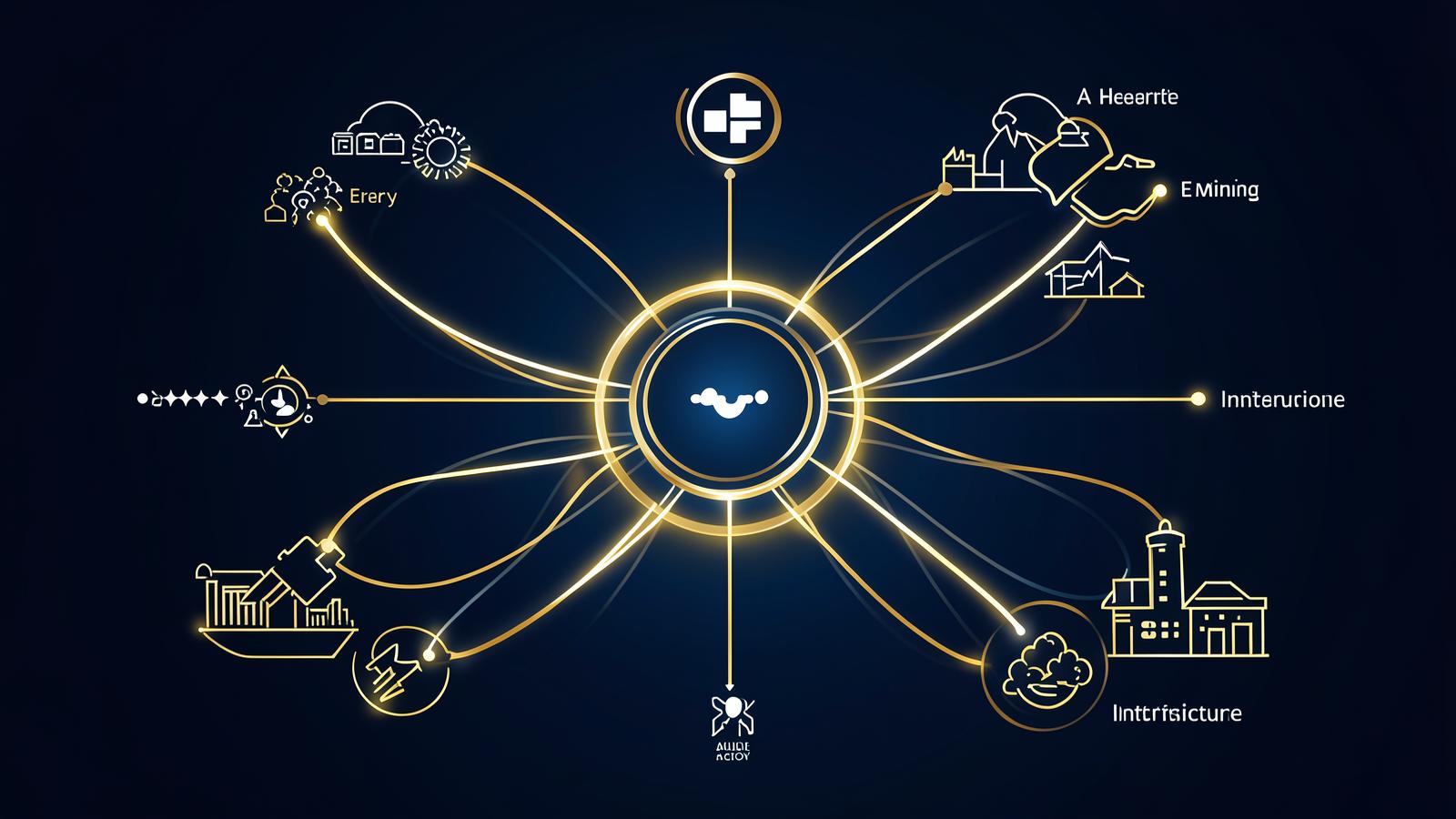
Connect every relevant participant around the opportunity, then use AI to help coordinate the ecosystem.
From local development to global investment
The model could begin with a local or regional government development hub. A government could identify priority projects involving infrastructure, energy, housing, healthcare, agriculture, manufacturing, transportation, technology or tourism, which could then become part of a structured national ecosystem.
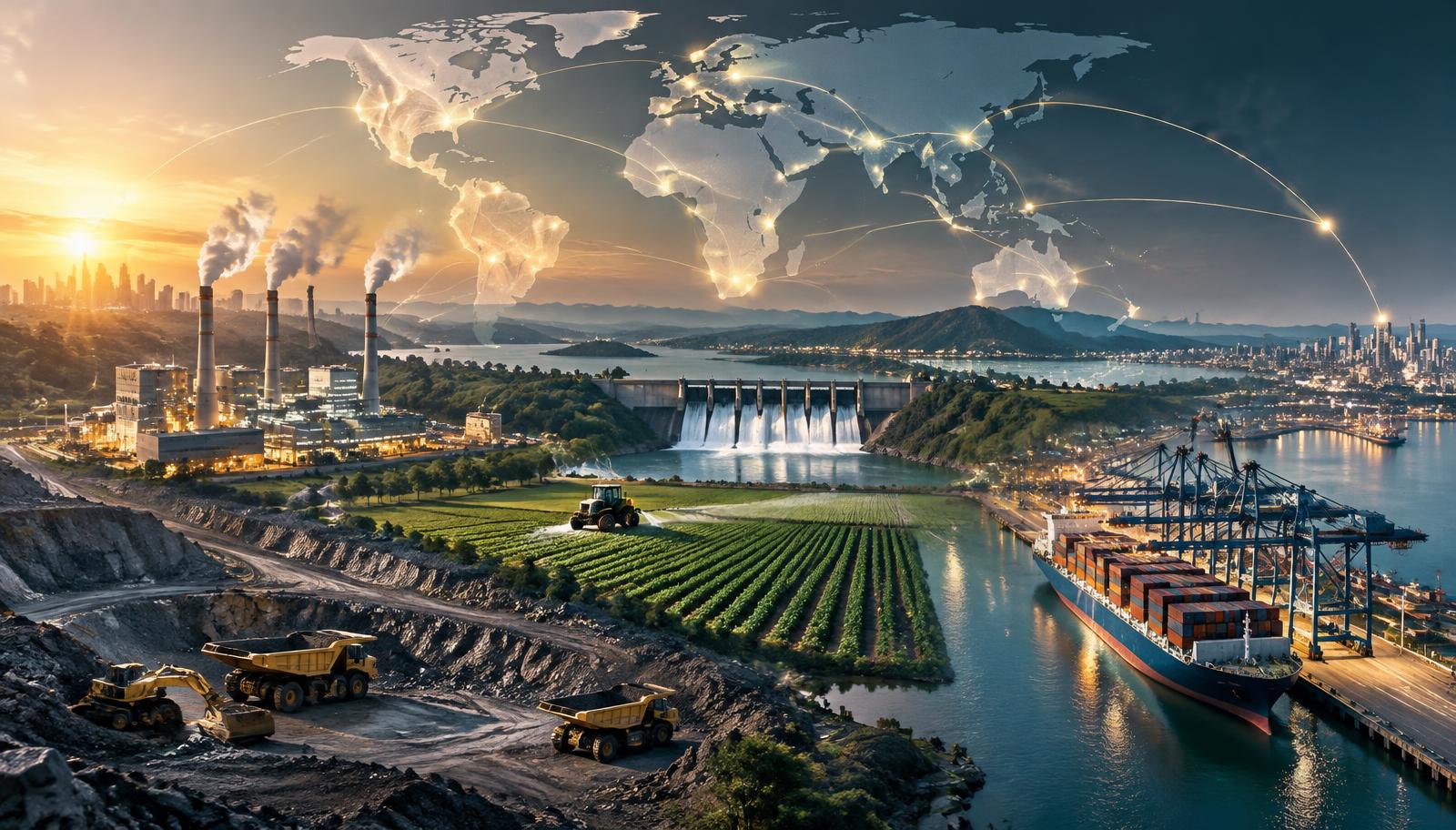
Through the platform, appropriate opportunities could be presented to international investors, banks, insurers, technology providers, engineering companies, manufacturers, universities and strategic corporations, creating a pathway from local project to regional hub, national ecosystem and global investment network.
The approach is intended to make local economic opportunities more visible and accessible to international participants while allowing governments to retain control over their own development priorities and regulatory frameworks.
AI as the global coordination layer
Rather than functioning as a searchable database, the system could use AI to understand the requirements of projects and participants and help identify relevant connections. When a government registers an infrastructure project, AI could analyse its requirements and help identify potentially relevant participants, including:
- investors, banks and financial institutions
- infrastructure funds and insurers
- technology providers and engineering companies
- manufacturers and suppliers
- local business partners
- research organisations and international commercial partners
AI agents could then assist authorised participants with information gathering, communication, workflow management, documentation, project monitoring and reporting. Human decision-makers would remain responsible for investment, legal, regulatory and other high-consequence decisions.
One ecosystem, multiple stakeholders
The model is designed so that different participants receive a clear value proposition from the same ecosystem. Governments could organise development priorities and connect with international capital and technology. Investors could gain access to a structured pipeline of projects. Banks could identify financing opportunities through structured workflows. Corporations could find new markets, infrastructure programmes and supply-chain opportunities.
Technology providers could identify projects where their solutions may be deployed, small and medium-sized companies could participate in larger programmes as suppliers, contractors or service providers, and universities could connect intellectual property and research capability with capital and real-world deployment.
Country-wide digital hubs
A major component of the vision is the creation of country-wide Touchstone ecosystem hubs. Each participating country could establish a national digital ecosystem connecting its ministries, agencies, regions, cities, development organisations and private-sector participants — running from the global ecosystem down through national, regional and city hubs to projects, companies, investors, technology and communities.
The structure could allow countries to maintain their own governance, legal requirements and institutions while connecting to an international ecosystem.
Connecting global capital with real-world projects
International investors often need to identify suitable projects, understand local conditions, assess counterparties, evaluate risks and establish relationships before deploying capital. The ecosystem could make this more structured by combining project information, participant profiles, AI-assisted analysis and workflow automation in one environment.
The goal is not simply to create more investment listings. The objective is to create complete investment ecosystems around projects.
A single major infrastructure opportunity could bring together government, investor, bank, insurer, technology provider, engineering company, manufacturer, local businesses and international customers, with the platform helping to coordinate those relationships.
The AI agent economy
The model is also designed for the emerging era of AI agents, in which AI systems perform defined tasks on behalf of organisations. Within appropriate controls, Touchstone could develop specialised agents for different ecosystem functions:
- Investment Agent — identifies potentially relevant investment opportunities
- Government Agent — organises national and regional development priorities
- Finance Agent — helps structure financing information and connect projects with financial institutions
- Technology Agent — matches technology capabilities with project requirements
- Compliance Agent — supports information collection and compliance workflows
- Project Agent — tracks milestones, documents and project performance
- Market Agent — identifies potential customers, suppliers and international markets
From information to action
Traditional digital platforms primarily provide information. The proposed model is intended to move further — discover, analyse, match, connect, structure, execute and monitor — transforming the platform from a passive information system into active economic coordination infrastructure.
Built around trust, verification and governance
For such an ecosystem to operate internationally, trust and governance would be fundamental. The platform would need mechanisms for participant verification, identity and KYC processes, regulatory compliance, data governance, cybersecurity, intellectual-property protection, project verification, transaction controls, auditability and human oversight. AI would support the ecosystem, but institutional governance would remain essential.
A global network effect
The long-term potential of the model comes from its network structure. As more governments join, more projects become available; as more projects become available, more investors and financial institutions may have reason to participate; and as more investors, businesses and technology providers join, governments gain access to a wider range of capabilities.
The ultimate vision is a new digital bridge between government, finance, technology and the real economy — an environment in which a project originating in one local community can connect with capital, technology, expertise and markets from around the world.
One ecosystem. Multiple countries. Millions of participants. AI-enabled coordination. Global economic connectivity.
Touchstone Newsroom · Published 16 Sep 2026, 07:00 UTC