Business · Touchstone Newsroom
Why Touchstone is different — a detailed strategic summary
Touchstone is positioning itself as a global investment ecosystem that connects the real economy with international capital across the full project lifecycle.
Reported by Abdallah Khawaldeh
Touchstone Media Representative
London · 16 Aug 2026, 06:30 UTC · 6 min read
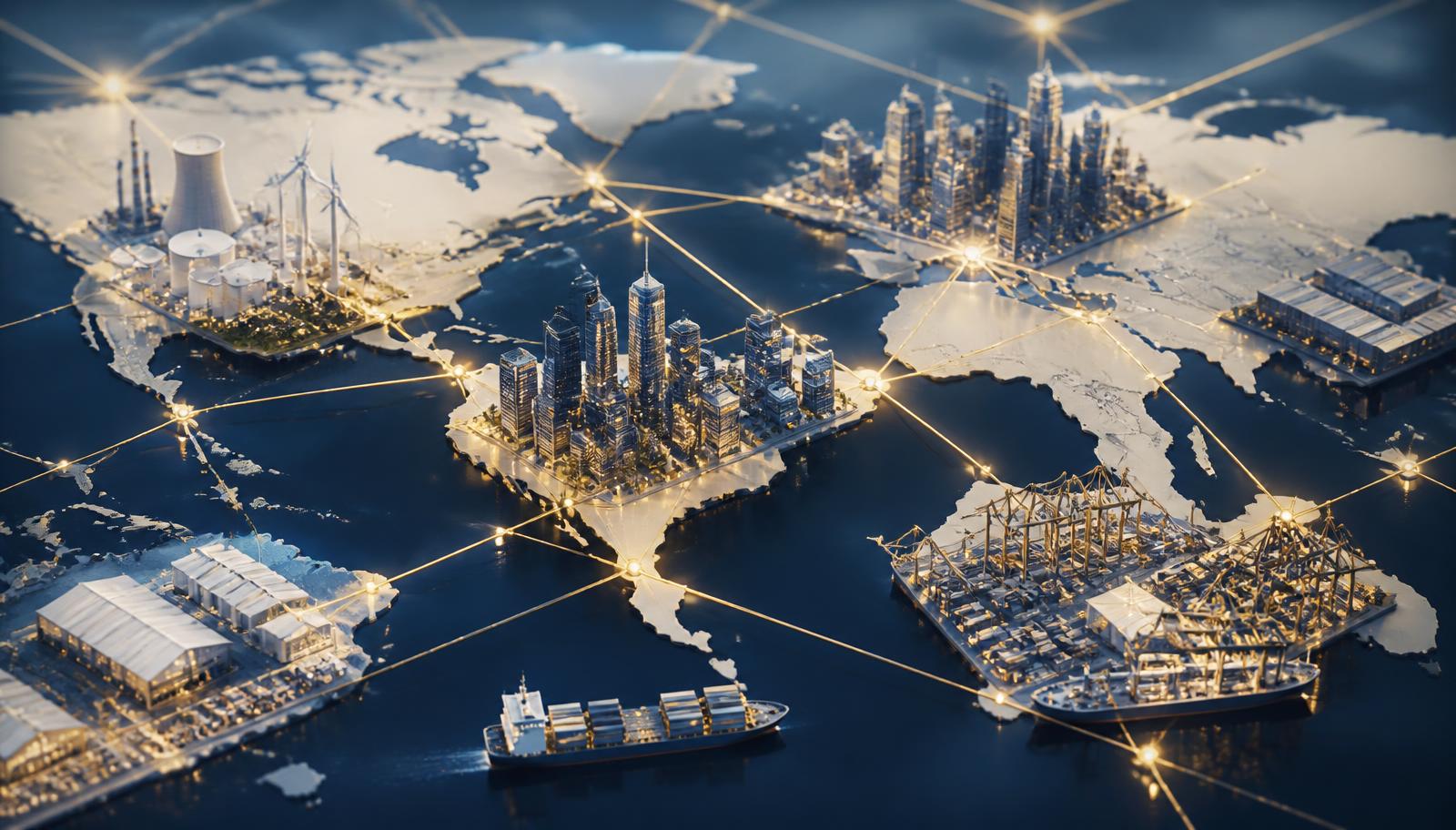
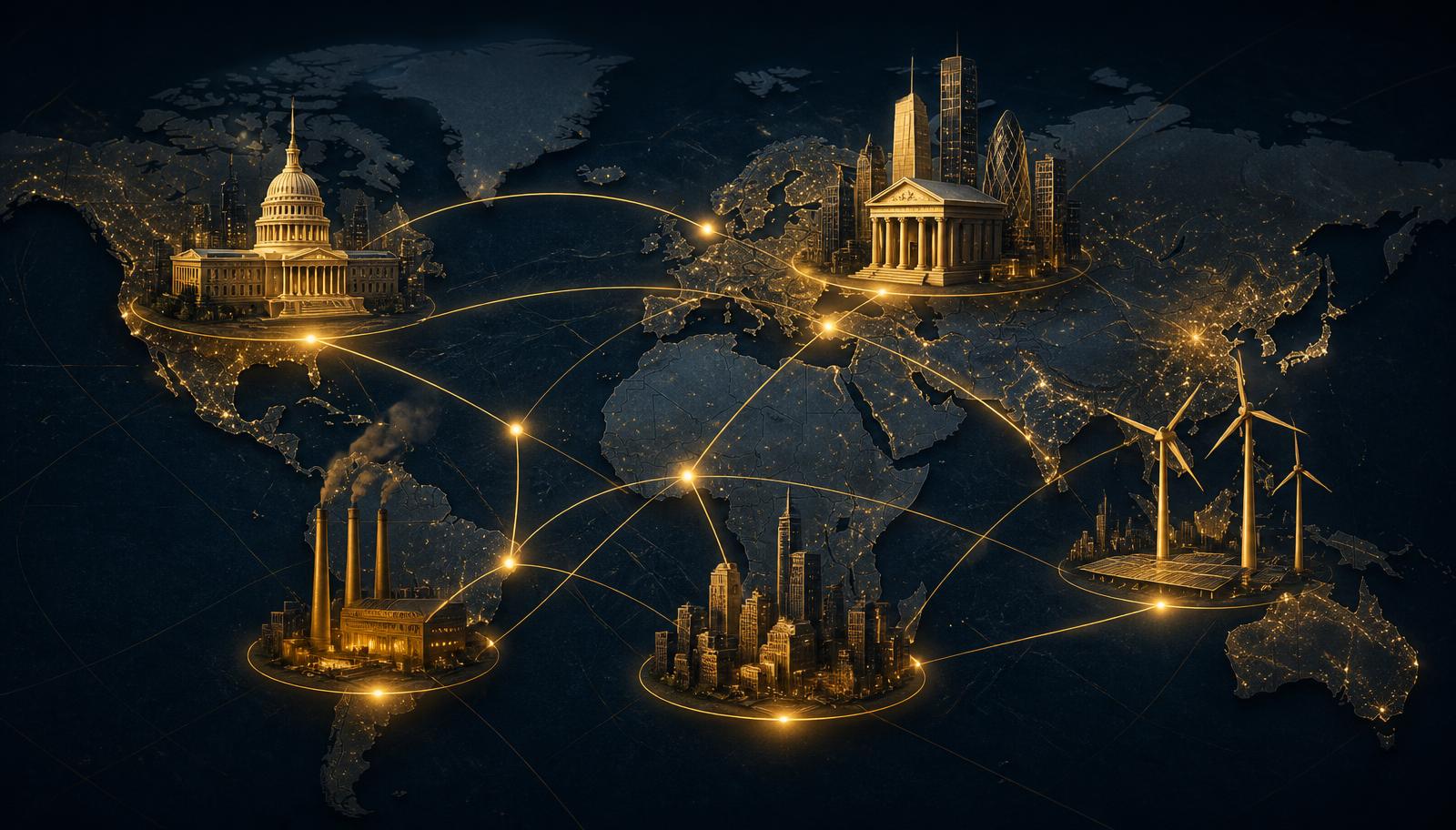
Touchstone is positioning itself as a global investment ecosystem designed to connect the real economy with international capital. Rather than functioning only as a bank, private-equity fund, industry operator or digital-asset platform, its proposed model brings these different participants together around a qualified project pool.
The objective is to create a structured pathway in which projects can move from identification and qualification through financing, operation, investment and eventually secondary or digital markets.
A platform, not a single institution
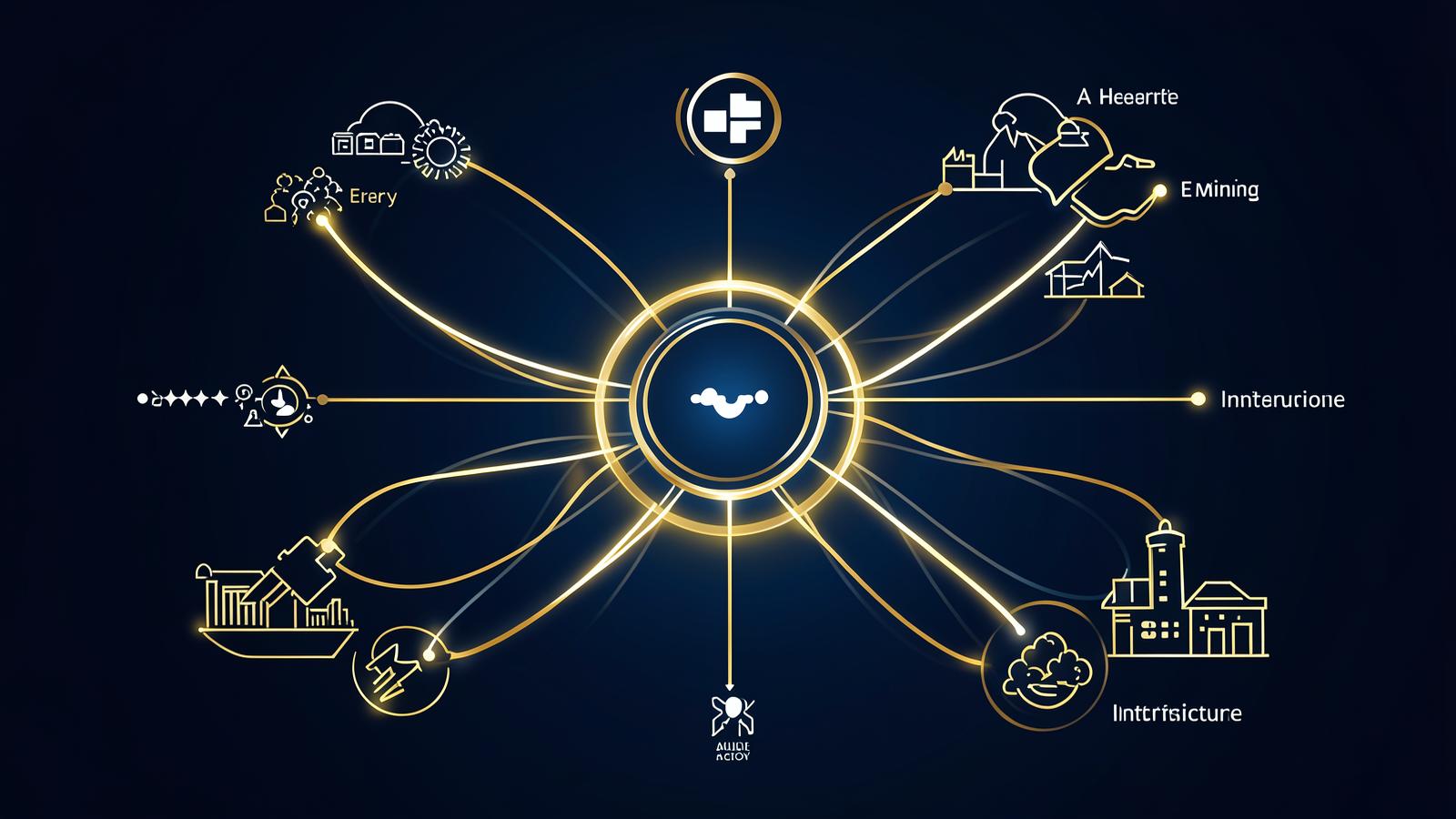
At the centre of this model is Touchstone's IP and platform infrastructure, which is intended to connect qualified projects with global fund managers, financial institutions, industry managers, strategic investors and government stakeholders.
Fund managers can provide investment expertise and access to institutional capital, while industry managers contribute the operational knowledge needed to develop and manage the underlying projects. Governments can participate through policy, infrastructure, strategic development programmes and investment frameworks.
Integration rather than competition
The potential advantage is therefore integration rather than competition. A traditional bank concentrates on finance; an asset manager concentrates on managing investment capital; an industrial company concentrates on operating businesses and assets; and a government concentrates on policy and national development.
Touchstone's proposed position is between these groups, creating a platform through which projects, capital, industry expertise and government relationships can work together.
The full investment lifecycle
The longer-term vision is to create a complete investment lifecycle: qualified project pool → structuring → primary investment → project operation → secondary investment/liquidity → digital/RWA market.
If the appropriate regulatory, custody, securities and investor-protection requirements are satisfied, digitalisation could eventually make certain qualifying real-world assets or investment interests easier to transfer and access.
Where the model applies
This could be particularly relevant for large projects in sectors such as energy, mining, infrastructure, agriculture, healthcare, technology, logistics and international trade, where projects may require substantial capital and coordination between multiple countries and institutions.
The ecosystem approach could help bring together the project owner, operator, financier, investor, insurer and government instead of requiring each participant to work through disconnected systems.
The key difference
Other organisations generally specialise in one part of the investment chain, while Touchstone's ambition is to connect the entire chain.
Its potential value would come from creating an organised bridge between global institutional capital and real-world projects, while providing a pathway from initial financing to secondary markets and, ultimately, compliant digital markets.
The execution test
However, the most important issue for investors and governments is execution. The model will need to be demonstrated through independently verifiable projects, qualified fund managers, institutional partnerships, financing commitments, completed transactions, operating cash flows and compliant secondary or digital-market activity.
The concept is potentially significant, but its long-term credibility will depend on converting the ecosystem architecture into real, measurable transactions and economic outcomes.
Touchstone Newsroom · Published 16 Aug 2026, 06:30 UTC